The Weight of a Digital Sword
The low hum of the PC is the only sound in the dead of night, a machine’s breath against the silent, unpaid bills stacked on the desk. For years, every click, every quest, every vanquished digital dragon has amounted to nothing more than a flicker of pixels and a fleeting sense of accomplishment. You poured your soul, your time—the only currency that truly matters—into worlds owned by someone else. And for what? For a line of code they could delete with a keystroke.
This is the fundamental, gut-wrenching imbalance that has defined gaming for decades. But a tremor is running through the foundation of that old world. A new reality is clawing its way into existence, one built on a radical principle: what you earn in the game, you own in life. This isn’t just an evolution; it’s a rebellion. These are the new play-to-earn gaming models, and they are not just changing the game—they’re rewriting the very definition of value.
The Unvarnished Truth
You’ve traded hours for digital items that vanish when the servers shut down. Play-to-earn flips that script. By using blockchain technology, the sword you forge, the land you conquer, or the creature you raise becomes a verifiable asset—an NFT—that belongs to you. You can sell it, trade it, or even rent it out. It’s the shift from being a digital tenant to a digital landlord. This isn’t a get-rich-quick fantasy, despite what the screaming YouTube thumbnails promise. It’s a complex, volatile, and sometimes brutal landscape. But for the first time, the power is shifting back to the player.
From Ghost in the Machine to Master of Your Domain
In a cramped studio apartment, the scent of stale coffee and ambition thick in the air, a young woman leans toward her laptop screen. The city’s indifferent lights paint stripes across the floor where a real-world rug should be. On screen, a creature of light and code dances, a pixelated marvel she spent weeks nurturing from a nascent egg. Her name is Luna, and this creature is more than a pet. It’s her ticket to paying next month’s internet bill.
In the quiet suburbs, a retired factory foreman stares at his monitor, the glow reflecting off his glasses. His hands, thick and calloused from a lifetime of shaping steel, hover uncertainly over the keyboard. He defeated the final boss an hour ago, but the prize—a legendary war-hammer—feels weightless, unreal. Harrison doesn’t see a trophy; he sees a cryptographic hash, a string of bewildering numbers in a digital wallet he barely trusts. The game was the easy part. This new world is the real monster.
This chasm between Luna’s hope and Harrison’s confusion is the heart of the P2E revolution. The shift isn’t just technological; it’s psychological. In the old world, your epic gear was just a pretty picture licensed to you by a corporation. You owned the memory, they owned the asset. With play-to-earn, that asset—that sword, that creature, that plot of land—is cryptographically bound to you. It’s yours. As in, really yours.
The Unbreakable Chains of Ownership
What makes Luna’s digital pet more real than Harrison’s old achievements? The answer is a word that makes most people’s eyes glaze over: blockchain. Think of it not as some high-tech enigma, but as a universal, indestructible public ledger. A book of truth that nobody, not even the game developers, can alter.
When you earn a unique item in a P2E game, it’s minted as a Non-Fungible Token (NFT). An NFT is like a digital deed. It’s a one-of-a-kind entry in that universal ledger that says, “This specific item belongs to this specific person.” It’s proof. Unforgeable, undeniable proof of ownership.
This isn’t about owning a copy; it’s about owning the original. The anxiety Harrison feels comes from a lifetime of the tangible. But for Luna, who has grown up digitally, this new form of ownership feels more permanent than the flimsy particleboard furniture in her apartment. The code is law, and for the first time, that law is on her side.
But Can the Dream Last?
A bitter, metallic taste of doubt. It’s the question that haunts every forum and every Discord server at 3 a.m. If everyone is earning, where is the money really coming from? Is this all just a fancy house of cards, a musical chairs game where the last one in gets burned? The hype is deafening, but the silence that follows a market crash is even louder. Sustainability isn’t just a buzzword; it’s the difference between a revolution and a collective delusion.
This video from the Naavik team cuts through the noise. It’s a sober, critical look at the economic models that either sustain these worlds or drive them into the ground. A must-watch for anyone who wants to see behind the curtain.
The Mechanics of Making It Real
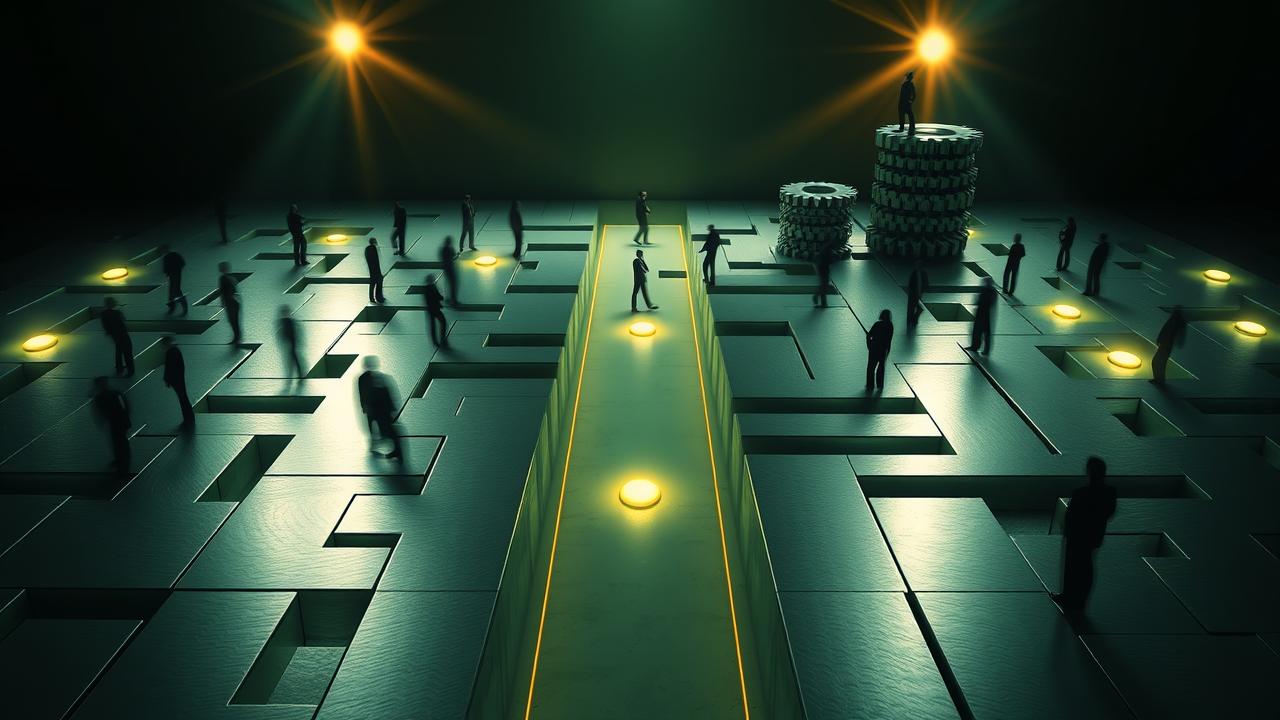
Before the sun even thinks about rising, a man sits illuminated by the glow of three monitors. Spreadsheets, market data, and a game interface fight for screen real estate. His name is Karim, and he was a data analyst before his job was “restructured” into oblivion. Now, he applies the same cold logic to a medieval fantasy world. He’s not playing. He is working. He identifies inefficiencies in the game’s economy—undervalued crafting resources, arbitrage opportunities between player markets. He is a hunter in a digital wilderness, and his prey is profit.
Earning in these games isn’t a single path. For some, like Luna, it’s about participating: completing quests, breeding collectible creatures, or winning PvP battles. These activities reward you with the game’s native cryptocurrency or NFTs. For others, like Karim, the game is the market. They are liquidity providers, traders, and strategists. They see the game not as a story but as a complex economic engine, ripe for optimization. This model even allows for things like liquidity mining explained through gameplay, where players’ actions directly support the game’s financial health.
The danger is that “play” can quickly become “grind.” The fun can evaporate under the pressure of daily quotas and plunging token prices. It’s a razor’s edge between a powerful side hustle and a soul-crushing second job that pays less than minimum wage. This is the part they don’t put in the glossy ads.
Who Holds the Keys to the Kingdom?
In the old model, game developers were gods. They could nerf your favorite class into uselessness with a single patch, change the rules on a whim, and you had no recourse. The rise of Decentralized Autonomous Organizations (DAOs) is meant to be the answer. The coup.
A DAO is essentially a community-run treasury and governance system. Players who hold the game’s governance tokens get to vote on proposals that shape the future of the world. Should the drop rate for a rare item be increased? Should a portion of the treasury be used for marketing? It’s a noble idea: digital democracy. A way for the citizens of a virtual world to seize the means of production.
Of course, the reality is a bit messier. Just like in the real world, whales—those with massive token holdings—can have an outsized influence. Apathy can set in. But the potential is there, a trembling, fragile blueprint for a world where the players, the very people who give a game its lifeblood, finally have a say in its destiny.
Blueprints from the New Frontier
Some of these worlds have already become legends, cautionary tales, or both. Axie Infinity was the titan, the game that put entire communities in the Philippines through the pandemic, creating a vibrant scholarship economy before its own economic model buckled under immense pressure. It showed the world the staggering potential and the devastating risks.
Then there are the world-builders. Games like The Sandbox and Decentraland aren’t just games; they are burgeoning metaverses. Here, the primary asset is land. Players buy plots and build whatever they can imagine on them—art galleries, casinos, elaborate obstacle courses. The value comes not just from the game itself, but from the community and creativity that blossoms within it, driven by an ecosystem of decentralized creator monetization tools.
These early examples are the pioneers, covered in arrows. They’re the ones making the mistakes so that others can learn. Watching their evolution is like watching the first cities being built—chaotic, dangerous, but humming with raw, untamed possibility. They offer a raw look at what happens when decentralized income opportunities collide with human nature.
The Tools of a Digital Prospector
Stepping into this world without the right gear is like trying to mine for gold with your bare hands. It’s foolish and you’re going to get hurt. Your first and most critical tool is a non-custodial crypto wallet, like MetaMask. This isn’t just an app; it’s your new bank, your vault, your digital identity. Guard its keys like your life depends on it—because in this world, it does.
Next, you’ll need to become familiar with NFT marketplaces. OpenSea is the sprawling, chaotic bazaar where most of these assets are traded. It’s where Luna lists her creature for sale and where Karim snipes undervalued goods. Learning to navigate these platforms, understanding transaction fees (gas), and spotting scams are non-negotiable survival skills. This is your sovereign money blueprint—you are the architect of your own financial interactions, and also the sole person responsible for their security.
From the Source Code
To truly grasp the tectonic plates shifting beneath your feet, you have to go deeper than blog posts. These texts are not light reading; they are field manuals for the new economy.
- Blockchain Game: Exploring the Future of Digital Ownership and Virtual Economies by Fouad Sabry: This gives you the foundational understanding of how these virtual economies function, from the code level up.
- Axie Infinity Blockchain Game: Revolutionizing Digital Ownership Through Play and Collectibles by Fouad Sabry: A deep dive into the poster child of the P2E boom, dissecting its rise and its stumbles. It’s a critical case study in both promise and peril.
- Immutable Company: Exploring the Future of Digital Assets in the Blockchain Ecosystem by Fouad Sabry: Broadens the scope beyond just gaming, looking at how verifiable digital assets are set to change everything.
Voices from the Void
Are play-to-earn games legit or just elaborate scams?
Yes. Both. The technology itself is legitimate. A verifiable asset on a blockchain is real. The problem is that this legitimacy creates fertile ground for grifters. Many so-called “games” are little more than thin veneers for unsustainable pyramid schemes. The key is to look for quality. Is the game actually fun to play, or is the fun entirely dependent on the token price going up? If it feels like a bad game with a crypto slot machine attached, run. Real play-to-earn gaming models are aiming for sustainable economies built on good gameplay.
So you’re saying I have to spend money to make money?
Not always, but the “free-to-play” path is often a brutal, time-sucking grind. Some games require a significant upfront investment in NFTs to even start. Others offer “scholarship” programs, where asset owners rent them out to players for a share of the earnings—this is how Luna got her start. Just be brutally honest with yourself: you are paying with either your time or your money. There is no free lunch, especially not in the metaverse.
What happens if the game I’m playing fails? Do I lose everything?
Here’s where it gets complicated and beautiful. If the game’s servers shut down, the game itself might be gone. But your assets? The NFTs? They still exist on the blockchain. They are still in your wallet. Their value might plummet because their primary utility is gone, but you still own them. Ambitious projects are already working on interoperability, the holy grail where a sword from one dead game could one day be usable in another. We’re not there yet. For now, yes, the value of your assets is deeply tied to the health of its native game.
Continue the Descent
This world changes by the hour. Staying informed is your only defense and your greatest weapon.
- PlayToEarn.com: A vast library of existing and upcoming blockchain games.
- QuickNode’s P2E Guide: A solid technical overview of top games and their ecosystems.
- GAM3S.GG: News and analysis on the evolving P2E business model.
- OpenSea Marketplace: The dominant secondary market for NFTs. Essential for understanding asset values.
- r/playtoearngames: A Reddit community for direct discussion, discovery, and due diligence.
- r/CryptoCurrency: Broader crypto discussions, but often features threads on promising P2E games.
Your Turn at the Forge
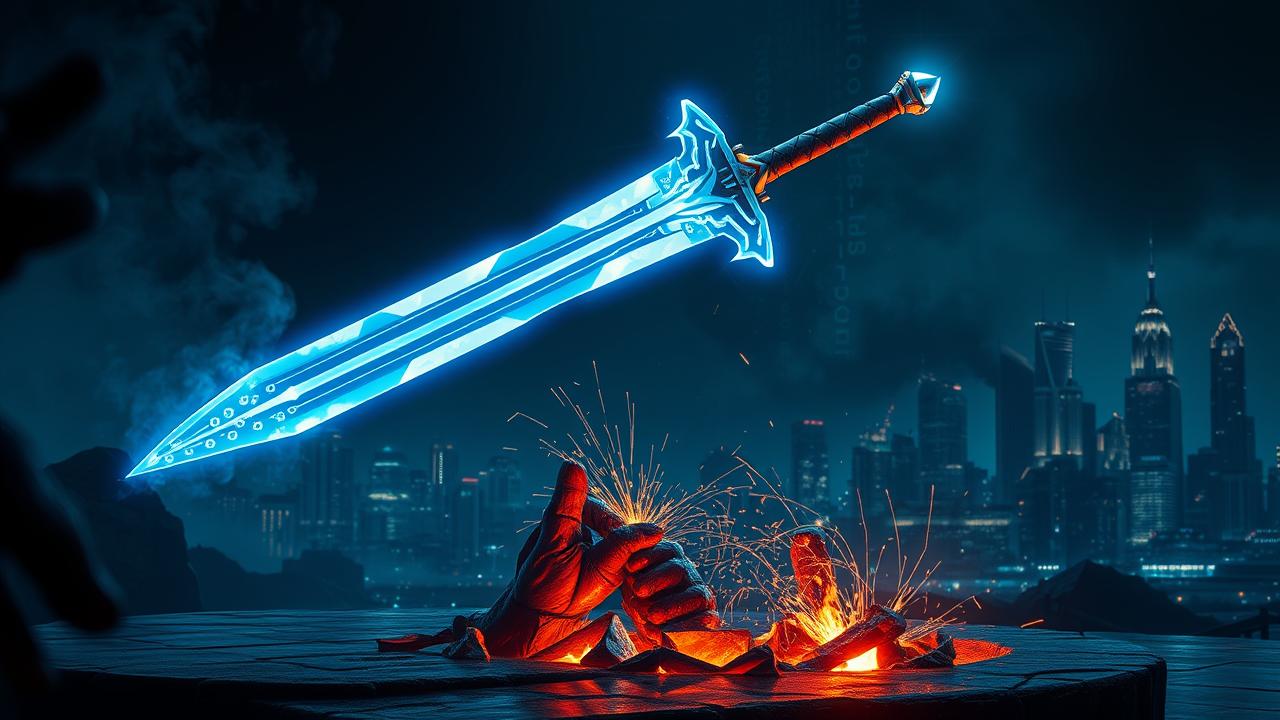
The choice is painfully, beautifully simple. You can continue pouring your life force into digital worlds that give you nothing back, or you can take the first, trembling step into a new frontier. This is not a promise of wealth. It is a promise of ownership. It is an invitation to wield a sword that is truly yours, to build a future on digital land you own, and to be part of the chaotic, terrifying, and exhilarating birth of a new economy.
Don’t just play the game. It’s time to own a piece of it. Start by exploring one of the play-to-earn gaming models that feels more like a real game and less like a spreadsheet. Your journey doesn’t begin with an investment; it begins with curiosity.