From Dust and Dreams to Tangible Value
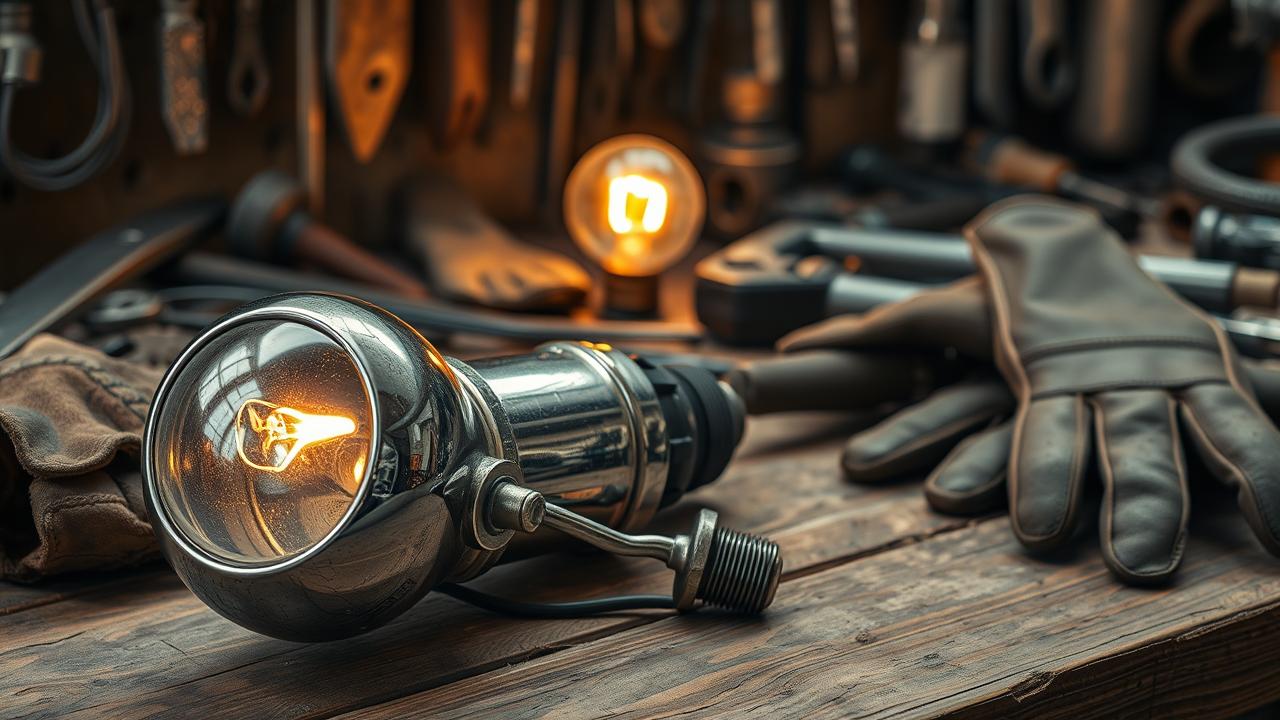
The acidic tang of old oil hangs in the air, a ghost of a thousand repairs. Under the harsh glare of a single bare bulb, Nelson runs a calloused thumb over the cool, pitted chrome of a motorcycle gas tank he pulled from a collapsed barn. His back aches, a dull fire that never quite goes out, a constant reminder that his body is a depreciating asset. He feels trapped, a gear in a machine that’s slowly grinding him down. But this piece of metal… this is different. This is a whisper of another path, a promise of turning a lifetime of grease-stained knowledge into something that might outlast his physical strength. He isn’t just looking at a part; he’s staring at a choice, a potential lifeline.
This is the raw, beating heart of using art and collectibles as investments. It’s not about sterile charts or the disembodied hum of a stock ticker. It is a visceral, deeply human endeavor to forge wealth from what you love, to find financial power in the tangible, the beautiful, and the rare. It’s about transforming your inner fire, your unique obsession, into a fortress of security.
The Raw Truth
This world is not for the faint of heart. Art and collectibles are real, physical assets that exist outside the tidy world of stocks and bonds. Their value comes not from earnings reports, but from rarity, history, and raw human desire. The upside is a return that you can hold in your hands and a joy that feeds your soul. The downside is a landscape filled with hidden costs, agonizingly slow sales, and the very real risk of your passion costing you a fortune. This is a path of empowerment, but it demands your full attention.
More Than Just Pretty Things on a Shelf
The financial world loves its clean categories: stocks, bonds, cash. They’re quantifiable, liquid, and comfortably abstract. Then there’s this other stuff. The outliers. The tangible treasures that have served as a store of value since the first civilizations decided a beautifully crafted pot was worth more than a plain one.
These assets are real. A painting by a forgotten master, a vintage Rolex keeping perfect time, a first-edition book with its pages still crisp, a mint-condition classic car, even a string of code on the blockchain confirming ownership of a digital masterpiece. Each is a piece of history, culture, and craftsmanship you can touch, see, and experience. They represent not just a potential for financial return, but an aesthetic reward—a daily dividend of joy and beauty that no stock certificate can ever offer.
The Alchemy of Value
In a quiet, climate-controlled university archive that smelled of aging paper and floor wax, Anya worked as an archivist. Her life was one of meticulous order and silent reverence for the past. One afternoon, while processing a forgotten donation, her gloved fingers brushed against a decaying cardboard box. Inside, bundled with twine, were letters. Dozens of them. The handwriting was an elegant scrawl she recognized from a minor poet whose life she’d studied—a tragic figure who vanished from history. A knot tightened in her stomach. Were they real? A thrill, sharp and electric, shot through her. This was the moment where expertise meets opportunity.
The value of a collectible is not decided by a committee. It’s forged in a crucible of rarity, condition, desirability, and, most critically, provenance—the unassailable chain of ownership that proves an object is what it claims to be. For Anya, the journey would involve forensic ink analysis, handwriting experts, and digging through historical records to prove these weren’t forgeries. Unlike the stock market, there is no simple ticker symbol for a piece of history. Its value is a story that must be painstakingly uncovered and proven.
Some will sneer that the ultra-rich only buy art to flaunt their wealth or as a clever tax dodge. And sure, there’s some of that champagne-fueled vanity at play. But for a growing number of people, it represents a powerful strategy for alternative asset diversification, a way to build a portfolio that has roots in the real, tangible world.
A Closer Look: The Viability of Tangible Assets
Moving beyond theory is where the real power lies. The abstract idea of an “alternative asset” can feel distant until you see the mechanics in action. This video tears away some of that mystery, examining whether these tangible passions can truly stand on their own as viable components of a modern financial strategy. It cuts through the noise to confront the core question: is this a sideshow, or a serious arena for wealth creation?
Source: Learn About Economics on YouTube
The Hungry Ghosts of This World
The initial thrill of Nelson’s find—that rare pre-war motorcycle fender—had faded, replaced by a gnawing frustration. He’d learned it was authentic, a genuine piece worth, in theory, thousands. But “in theory” wasn’t paying his mortgage. The forums were full of tire-kickers. An auction house wanted a massive commission and offered no guarantees. The object that had represented freedom now felt like an anchor.
Welcome to the brutal reality. The first ghost is liquidity. There’s no “sell” button. Finding a buyer can take months, even years, and the transaction costs—gallery fees, auction house commissions, authentication charges—will take a vicious bite out of your profit. It’s a slow dance, not a lightning strike.
Then come the costs of ownership, the slow, silent bleed. You can’t just toss a masterpiece in a closet. It needs secure, climate-controlled storage. It needs specialized insurance. It requires maintenance to fight the inevitable decay of time. These aren’t one-time fees; they are a constant tax on your treasure. The market itself is opaque, driven by whispers and trends, where one piece can soar while another, nearly identical, languishes. It’s a game of informed passion, not blind luck.
Cracking Open the Vault: A Piece of the Pie
For generations, this world was a fortress, its gates open only to the impossibly wealthy. But the walls are starting to crumble. The digital age is prying open the doors, democratizing access in ways that were once unthinkable. You no longer need millions to own a piece of a masterpiece.
The most potent tool in this revolution is fine art fractional ownership. Platforms are emerging that securitize high-value art, allowing you to buy shares in a Warhol or a Basquiat for a fraction of the cost of the whole piece. It allows you to gain exposure to the upside of a multi-million dollar asset without needing to actually buy and store it.
And it’s not just paintings. The same logic is being applied across the board, from wine investment funds that let you own a piece of a legendary vintage to platforms for music catalog investing, giving you a slice of the royalties from timeless songs.
Ghosts in the Machine: The Rise of Digital Legacies
Then there’s the new frontier, a place so strange and volatile it makes the traditional art market look like a savings bond. Non-Fungible Tokens, or NFTs, are not just digital pictures. They are unique, verifiable assets living on a blockchain—a public, unforgeable ledger. They are the digital equivalent of a signed, numbered print, but with a perfect, unbreakable provenance built into their very code.
Their value is a chaotic storm of scarcity, community passion, and, increasingly, real-world utility inside of games or virtual worlds. But tread carefully. This is the Wild West. To participate without getting fleeced, you must understand the technology. You need to grasp the basics of digital wallets, the Ethereum or Solana blockchains, and the culture of the communities that give these assets life. To ignore the tech is to walk into a gunfight armed with a butter knife.
The Collector’s Code: Passion as Your Compass
Avery, a landscape architect with an eye for subtle beauty, stood in his study. The walls were lined not with flashy canvases, but with antique horticultural prints. Each one was a story of botany, exploration, and art. He’d spent years on this, not chasing trends, but following a deep, personal fascination with how humanity has documented the natural world. He never thought of it as an “investment strategy.” He was simply building a library of what he loved.
This is the collector’s secret weapon. The most successful collections—the ones that generate breathtaking returns—are almost always built on a foundation of genuine passion. That passion forces you to learn. It drives you to become an expert. It gives you the patience to perform rigorous due diligence and the wisdom to walk away from a deal that feels wrong. Pure speculation is a fool’s game; informed passion is a superpower.
This approach isn’t a replacement for sound financial planning; it’s an extension of it. The smartest players have an established sovereign money blueprint—a solid base of stability—before they venture into the thrilling, unpredictable world of collectibles. They understand the crucial difference between alternative assets vs traditional assets and are always looking ahead to what might be the best alternative investments 2025 and beyond.
Your Arsenal for the Hunt
Stepping into this arena unarmed is suicide. You need tools. For physical assets, that means becoming intimately familiar with the online presence of major auction houses like Sotheby’s and Christie’s, not just for bidding, but for researching sales histories. It means identifying certified appraisal services and building relationships with reputable galleries in your niche.
For digital assets, your arsenal looks different. It starts with NFT marketplaces like OpenSea but quickly expands to analysis platforms that track wallet activity, community engagement, and sales trends. These tools don’t make decisions for you. They provide the battlefield intelligence you need to execute your own strategy with precision and power.
Lingering Questions in the Shadows
Is art collecting a good investment?
It can be an incredible one, but it is not a stock. It is a long-term play that rewards patience, expertise, and passion. If you are looking for quick, liquid returns, you are in the wrong place. The world of art and collectibles as investments is fundamentally different; success is measured in years or decades, not fiscal quarters, and true value often accrues to those who love the object first and its price tag second.
What is a unique feature of art and collectibles as investments?
Their dual return. Beyond any financial appreciation, they provide an “aesthetic yield.” You get the profound, daily pleasure of living with an object of beauty and cultural significance. It’s an investment that pays dividends to your soul long before it ever pays them to your bank account.
Do collectibles make sense for diversification?
Absolutely, but with a massive asterisk. They are a powerful tool for alternative asset diversification because their value is often uncorrelated with the stock market. When stocks zig, your classic car might zag. However, they should be a strategic slice of a well-balanced portfolio, not the entire pie. Think of it as the spice that adds flavour and resilience, not the main course.
Deeper Wisdom from the Masters
Collectible Investments for the High Net Worth Investor by Stephen Satchell: Don’t let the title fool you; the principles here are universal. This book dissects the cold, hard financial mechanics that the truly wealthy use to navigate this space, offering a glimpse into the strategic mindset required.
Investing with Art: From Paintings to Collectibles and NFTs by Hélyette Geman: A fantastic bridge between the old world and the new. It connects the dots from traditional fine art to the chaotic energy of the NFT market, showing how the core principles of value persist across different mediums.
Fine Art and High Finance: Expert Advice on the Economics of Ownership by Clare McAndrew: This is the nitty-gritty. McAndrew lays bare the economics of the art market, from the inner workings of galleries to the financial implications of ownership. It’s an essential read for anyone serious about understanding the real costs and opportunities.
Mapping the Unseen Territories
- The Risks of Investing in Art and Collectibles (Investopedia): A sober, clear-eyed look at the potential pitfalls.
- The Financialization of the Art Market (Nomura): An exploration of how art is becoming a more accessible asset class through securitization.
- How to Invest in Collectibles (Britannica): A practical guide covering some of the on-the-ground work required.
- r/fatFIRE Discussion on Collectibles: Real-world perspectives from high-net-worth individuals on long-term collectible strategies.
- Guide to a Classic Car Investment Strategy: A deep dive into the specifics of one of the most popular collectible categories.
- A Primer on the Luxury Watch Investing Guide: Understanding the nuances of horology as an asset.
Your First Step Toward a Tangible Legacy
Forget the hype. Forget the headlines about million-dollar NFTs. Your journey into art and collectibles as investments begins in a much quieter, more powerful place: within you. Take out a piece of paper. Right now. And write down what you love. What are you obsessed with? What subject could you talk about for hours? Old maps? Vintage guitars? First-edition sci-fi novels? Mid-century furniture?
That list isn’t a collection of hobbies. It’s a map to your own inherent expertise. It’s the foundation upon which a truly powerful and personal investment strategy can be built. Start there. Your passion is your greatest asset. It’s time you started treating it that way.