Your Life Has a Soundtrack. Why Not Own It?
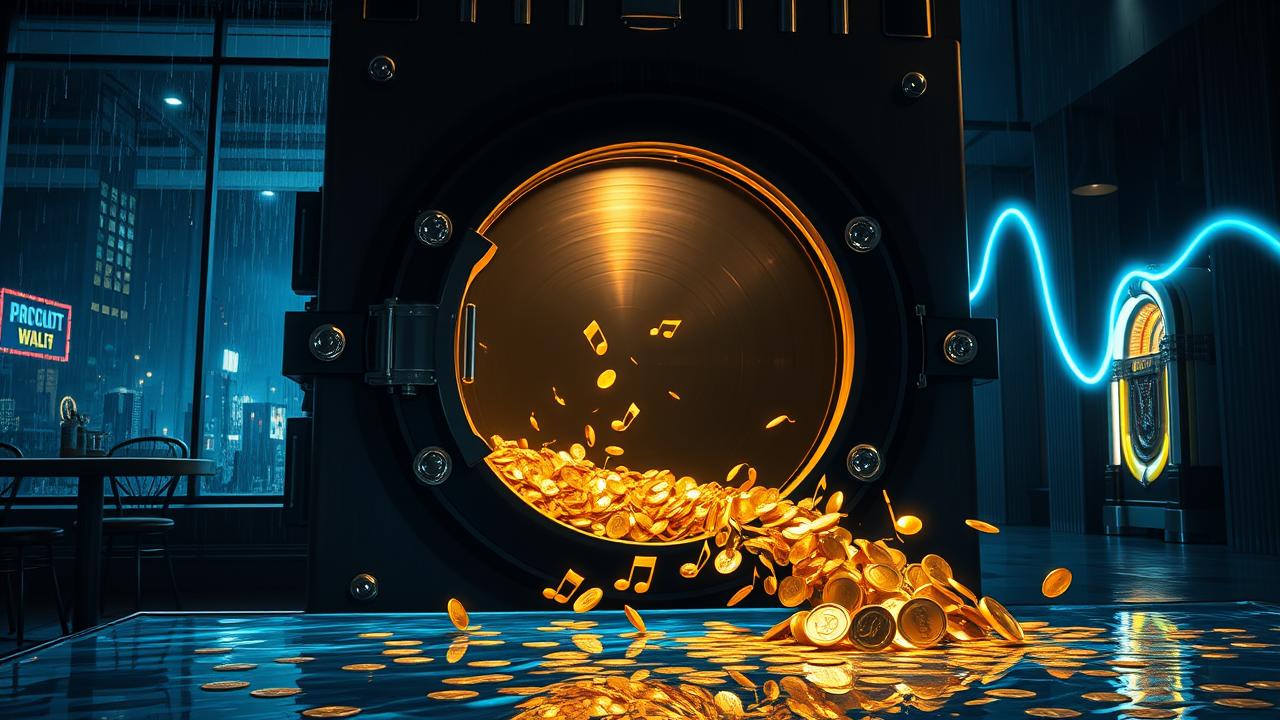
The rain streaks down a greasy diner window somewhere off a forgotten highway. Inside, the hiss of the coffee machine is a lonely percussion, but then the jukebox kicks in. It’s a song you haven’t heard in twenty years. Suddenly, you’re not there anymore. You’re sixteen, driving with the windows down, feeling immortal. That song isn’t just notes and words; it’s a time machine, a ghost, a surge of adrenaline encoded in sound. Now imagine owning a piece of that power. Not just the memory, but the machine that generates it. This is the raw, visceral truth at the heart of music catalog investing—an arena where culture becomes currency, and melody becomes enterprise.
This isn’t about collecting vinyl. It’s about acquiring the engine of passive income that runs every time that song is streamed, played in a movie, or used in a commercial. It’s about seizing a piece of the emotional landscape and making it your own financial bedrock.
The Unvarnished Truth
Forget the tame advice your financial planner mumbles over lukewarm coffee. We’re talking about an asset class that lives and breathes with cultural relevance. This is a game of high-stakes strategy where you can buy a fractional piece of a global hit or acquire the entire life’s work of a forgotten genius.
It demands more than just capital; it requires you to become a student of culture, a master of intellectual property, and a commander of your own financial destiny. It’s volatile, it’s potent, and it’s not for the timid. But for those who dare to understand it, the rewards are more than just numbers on a page—they are the sound of freedom.
Beyond the Melody: The Anatomy of a Cash-Flowing Anthem
A song is not a single thing. It’s a constellation of rights, a web of potential revenue streams flickering to life in unexpected ways. To invest here is to understand this hidden architecture. You have performance royalties every time a song is broadcast on the radio or played in a bar. You have mechanical royalties from every sale or stream—a tiny digital toll paid for the privilege of listening.
Then there are the sync rights, the lightning strike that places a dusty ballad into a blockbuster movie or a viral TikTok clip, sending its value skyrocketing overnight. Owning a music catalog isn’t like owning a stock certificate you lock in a drawer. It’s like owning an orchard with different trees. Some bear fruit predictably every season. Others, you think are long dormant, suddenly burst into life after a cultural storm, dropping a fortune in your lap.
The Ghost on the Balance Sheet
The fluorescent lights of a truck stop diner in the heart of Nebraska hummed a low, miserable drone. Outside, his rig idled, a mechanical beast waiting to devour more miles. Inside, Nicolas stared at the glowing tablet, the coffee beside him long gone cold. The number on the screen mocked him. He’d sunk nearly every spare dollar—a gut-wrenching $80,000—into the catalog of a 90s alt-rock band, spurred on by slick charts and promises of “evergreen assets.”
The reality felt like a betrayal. The passive income that was supposed to shore up his future was a pathetic trickle, barely enough to cover a few tanks of diesel. The hit song, the one the prospectus called a “perennial,” was fading into digital silence. The knot in his stomach wasn’t from the bad coffee; it was the cold dread of failure, the hollow echo of a promise that had lured him in and left him stranded on the side of the financial highway. The dream of easy money now felt like the cruelest joke of all.
The Throne Room: Fractional Slices vs. Complete Conquest
How you enter this kingdom determines the power you wield within it. You can approach it in two fundamentally different ways. The first is through fractional ownership. Think of it as buying a single, solid gold brick in the wall of a castle. You don’t own the fortress, but you own a piece of it. Platforms have democratized this, allowing you to buy “shares” of a hit song. You get a portion of the royalties, a taste of the revenue. It’s a way to dip your toes in the water without risking a drowning.
The second path is full acquisition. This is claiming the entire kingdom. You buy the whole catalog—every master, every publishing right. You become the monarch. The risk is absolute, but so is the control. The upside isn’t just a slice; it’s the whole goddamn feast. While owning a brick sounds less glamorous, it’s a damned sight smarter than finding yourself king of a crumbling ruin you can’t afford to fix.
From the Mosh Pit to the Trading Floor
The titans of finance are finally starting to understand what the street-level artists and producers always knew: music is not just disposable entertainment; it is enduring infrastructure. The raw emotion of a song can be measured in market multiples and quarterly returns. The video below pulls back the curtain on this feeding frenzy, showing how Wall Street is packaging cultural moments into investment portfolios. It might look more like a trading desk than a rock concert, but make no mistake, the energy and the stakes are just as high.
Source: Yahoo Finance
The Lullaby Portfolio
After thirty years in the chaotic, sterile theater of an emergency room, retirement for Maya was about cultivating life. Her hands, which had set bones and stitched wounds, now tended to lavender and chamomile in her sun-drenched garden. The quiet hum of bees had replaced the frantic beeping of heart monitors. She wanted her savings to work in the same way—not with the violent peaks and troughs of the stock market, but with a quiet, steady, life-affirming rhythm.
She didn’t chase a stadium-filler anthem. Instead, she bought a small, overlooked catalog of children’s lullabies and simple educational songs. Her investment wasn’t driven by fame but by function. The songs were staples on daycare nap-time playlists, animated YouTube channels for toddlers, and apps for new parents. It wasn’t the kind of high-stakes play that keeps you up at night, like venture debt investing. The returns were modest but fiercely reliable. A gentle, predictable stream of cash that paid for potting soil, plane tickets to see her grandkids, and the profound peace of mind she had earned a thousand times over.
The Catalog as a Living, Breathing Enterprise
Here is where you must shatter your old paradigms. You are not buying a static commodity. You are acquiring a company. A living enterprise with a brand, a history, and a future you will now shape. To treat it as anything less is to invite failure. Sitting back and waiting for a check is the fastest way to watch your asset wither and die.
You must become its CEO. Your job is to hunt for opportunities. To pitch that forgotten rock track for a new video game. To authorize a remix by a hot new DJ. To build a community around the artist’s legacy. This proactive stance is what separates the dabblers from the architects of wealth. It’s how you build a personal sovereign money blueprint, transforming a passive holding into an active, revenue-generating machine that you command completely.
Rewriting the Rules: The Raw Power of IP Control
The corporate world is filled with predators. Private equity firms and faceless funds see artistry as just another column on a spreadsheet, something to be acquired, squeezed, and discarded. They will buy an artist’s soul and sell it for parts. But ownership gives you the power to fight back. It gives you the power to rewrite the rules of engagement.
Look no further than Taylor Swift defiantly re-recording her master albums. That wasn’t just a savvy business decision; it was a revolution. It was a declaration that the creator, or the strategic owner, holds the ultimate power. By doing this, she devalued the original assets held by her opponents and reclaimed her own narrative. This is the essence of an anti-fragile strategy. It’s not just about weathering the storm; it’s about harnessing its energy to become stronger. This level of strategic depth is a key reason music has become such a compelling component of alternative asset diversification.
The Analyst’s Anthem
High above the glittering chaos of the city, Rodrigo’s apartment was a temple of data. Multiple monitors glowed, not with games or movies, but with cascading lines of code, complex charts, and audio waveforms. A data analyst for a global shipping firm, he saw the world as a series of patterns and probabilities. To him, music wasn’t art; it was a collection of data streams with predictable, exploitable behaviors.
He didn’t invest in a song he loved. He didn’t care about the artist’s story. He bought a fractional share in a catalog of generic, upbeat synth-pop—the kind of anonymous audio wallpaper that thousands of YouTubers and TikTok creators use for their videos. He tracked its usage data, saw the exponential curve, and made a cold, calculated investment. It was paying off handsomely. Now, he was applying the same logic to other markets, examining the data behind wine investment funds and collectibles, treating each passion asset as just another system to be decoded and mastered.
The Digital Gold Rush: Marketplaces of Sound
The days of backroom deals in smokey offices are over. Today, pieces of cultural history are traded on sleek, accessible online platforms. These are the modern-day picks and shovels for the new gold rush.
- Royalty Exchange: The auction house of music rights. This is a marketplace where you can bid on full or partial royalty streams, from iconic hits to obscure gems. It’s transparent, competitive, and utterly fascinating to watch, even if you’re not bidding.
- SongVest: This platform is a leader in fractional investing, packaging royalty streams into “SongShares” that function like stocks. It’s an entry point for those who want to build a portfolio of songs without the eight-figure price tag.
- ANote Music: A European-based platform that opens up the market to a global audience, allowing investors to buy and trade shares in catalogs from a diverse range of artists.
There’s a strange, almost poetic brutality to it. The song that framed your first kiss, now listed with a 10-year average earning and an asking multiple. But this is the new reality. Embrace it, or be left behind.
The Strategist’s Bookshelf
Mastery here requires a bookshelf that stretches beyond finance. You need to understand culture, power, and the mechanics of modern media. Here are a few indispensable guides:
- Good Ideas and Power Moves: Ten Lessons for Success from Taylor Swift by Sinéad O’Sullivan: Forget the celebrity worship. This is a cold, hard look at strategy. It dissects how Swift turned her intellectual property into a fortress, providing a masterclass in asset control that every investor must understand.
- Digital Gold: Bitcoin and the Inside Story of the Misfits and Millionaires Trying to Reinvent Money by Nathaniel Popper: To grasp the future of assets, you must understand the genesis of other alternative classes. This book is a gripping narrative on how a new form of value is born from code and conviction—a perfect parallel for the digital transformation of music rights.
- The Ultimate Television Career Guide by Yellowbrick Learning: Why read a book about TV? Because the television and film industries are among the biggest customers for music rights. Understanding their needs, their budgets, and their decision-making process is mission-critical intel for any serious sync-rights investor.
Whispers from the Abyss: Questions You Should Be Asking
Why are investors suddenly obsessed with buying up songs?
It’s a perfect storm. For years, interest rates were scraping the floor, meaning big money had access to cheap capital and was desperate for returns. Music royalties, especially from legacy artists, offered stable, predictable cash flow uncorrelated to the broader market. At the same time, many aging artists are looking to cash out, securing their financial legacy with a lump sum payment. This convergence of hungry money and willing sellers has turned music catalogs into one of the best alternative investments 2025 has to offer.
Can I really lose my shirt on this? What happened to Nicolas?
Absolutely. The story of Nicolas is a chillingly common one. The promise of “passive income” can blind investors to the risks. A catalog’s value can plummet if a song falls out of favor, if a new artist eclipses the original, or if the initial valuation was simply inflated hype. The stock market’s “7% stop-loss rule” doesn’t directly apply, but the principle is vital: have an exit strategy. Know what your pain threshold is. Never invest more than you are prepared to see vanish into the ether, because in this game, ghosts are real, and they can haunt your bank account.
What is this “35-Year Rule”? Is it a secret weapon?
It can be. In the U.S., the Copyright Act includes a termination right. For works assigned away after 1978, the original creator (or their heirs) can reclaim their copyright after 35 years. It’s a legal time bomb embedded in the asset. For an investor, this is a massive risk or a spectacular opportunity. If you own a catalog, you could lose it. If you are the artist, you can reclaim your life’s work. Anyone investing in older music must have their legal team analyze the termination status. It’s a critical piece of due diligence that can mean the difference between a long-term asset and one that vanishes in a puff of legal smoke.
Beyond the Charts
Your education doesn’t stop here. True mastery is a relentless pursuit. Explore these resources to deepen your understanding and connect with other strategists in the field.
- Royalty Exchange: An active marketplace for buying and selling music royalties.
- SongVest: A leading platform for fractional ownership of music royalties.
- ANote Music: A European platform for investing in music rights.
- WIPO – The Rise of Music Investment: analysis from the World Intellectual Property Organization.
- r/MusicRoyaltyInvest: A community dedicated to the analysis and discussion of music royalty investing.
Find Your Anthem
This path isn’t for everyone. It’s for the builders, the strategists, the ones who see an asset where others only hear a song. It’s for those who understand that true financial power comes not from following the herd, but from commanding a piece of the culture that moves them.
Your first step isn’t to risk your life savings. It’s to take one small, decisive action. Go to one of the marketplaces. Create an account. And just watch. Learn the rhythm of the auctions. Read the prospectuses. Find the song that speaks not just to your memories, but to your ambition. Your anthem is waiting. Go claim it.