The One in One Out Rule: Your Unshakable Law for Order and Wealth
The Small Rule That Stops the Bleeding
The low drone of the refrigerator is the only sound, but inside your head, it’s a roaring inferno. Your own things are screaming at you. The jacket you bought on a whim, its tags still stiff. The stack of books that have become a monument to good intentions. The kitchen gadget that promised a revolution and delivered only dust. This isn’t a home; it’s a holding cell, and you are both the prisoner and the warden. You are being buried alive, not by dirt, but by your own decisions.
A creeping sense of dread tells you this is more than just mess. It’s a leak in the very hull of your life, draining your energy, your focus, and your bank account. There is a way to seal that breach. A simple, almost insultingly straightforward principle that doesn’t require a weekend purge or a life coach on speed dial. It’s the one in one out rule, a personal law of physics that puts the power back where it belongs: in your hands. This is the bedrock of everyday wealth-building for all incomes, because true wealth isn’t what you have, but what you control.
The Unbreakable Vow
There’s no need for a three-day seminar. The core of this is a vow you make with yourself, forged in the fire of frustration. It is a line in the sand.
- For every new item that crosses your threshold… a similar item must leave. No exceptions, no postponements, no secret stashes in the garage.
- It is not a purge, but a pause. This rule forces a moment of brutal honesty before you buy. Is this new thing truly better? Is it worth giving something up for?
- It transforms you from a collector into a curator. Your life is no longer a landfill of impulse buys. It becomes a gallery of the essential, the useful, and the beautiful.
A Rule for Your Kingdom, Not a Border Wall
A quick search for this rule throws you into a world of government policy, geopolitical agreements, and regulatory jargon. One in, one out for migrants, for EU business burdens, for nightclub capacity. Fascinating, I’m sure, if you’re a policy wonk. But utterly useless to you, standing in the chaos of your own closet.
Let’s be ruthlessly clear. We are not talking about any of that. This isn’t about controlling national borders; it’s about securing the borders of your own life. This is the personal one in one out rule for personal finance and minimalism, a shield against the endless assault of consumer culture. It’s the mechanism that stops lifestyle inflation from devouring every raise and bonus. It’s the lever that transforms your space from a burden into a sanctuary.
The Cage Match in Your Mind
He could smell the hot metal and ozone of the welding shop on his clothes, a sharp scent that usually meant honest work and a paycheck. But tonight, it just smelled like the trap. The one-bedroom apartment he’d been so proud of now felt like it was shrinking around him, the walls closing in. Every surface was a graveyard of good deals and “why nots.” A drone in its box. A limited-edition pair of sneakers. A high-end espresso machine he used twice. Ricardo felt a surge of self-loathing so sharp it was dizzying. He worked hard, busting his ass on pipeline jobs, yet he was suffocating under the weight of things he didn’t even remember wanting.
He’d stumbled upon the rule in some corner of the internet, and it felt both revolutionary and absurdly simple. The first test came a week later. A sleek, new gaming headset went on sale, a significant upgrade. The urge to click ‘buy’ was primal. But the rule echoed in his head: one in. That meant the old one—a perfectly functional, but less-perfect headset—had to go. One out. He looked at it, sitting on his desk. He thought about the hassle of selling it. The internal battle was fierce, a clash between instant gratification and a desperate yearning for control. For the first time, he didn’t just see a shiny new toy; he saw a transaction not of money, but of space, of energy. The purchase suddenly had friction. He closed the browser tab. A strange sense of power washed over him, quiet but profound. He hadn’t just saved two hundred dollars. He had won.
Your Battlefronts of Order
The rule isn’t a blanket bomb; it’s a precision strike. You deploy it where the enemy is strongest.
Clothing and the Tyranny of Trends
The faint, musty smell of unworn fabric filled her nostrils as she tried to force one more tiny, adorable baby outfit into an already-strained drawer. Marlee, a medical biller working from a corner of her bedroom, felt the familiar prickle of tears. Gifts from the baby shower, hand-me-downs from her sister, clearance-rack finds she couldn’t resist—they were symbols of love and provision that had somehow turned into agents of chaos. Applying the rule here felt like a betrayal. How could she get rid of one precious little sleeper just to make room for another? It felt cold, ungrateful. Her attempt to create a capsule wardrobe on a budget for herself had stalled, and now she was failing her own daughter, drowning in diminutive cotton. This wasn’t curation; it was a constant, exhausting Sophie’s Choice over onesies.
Kitchen Gadgets and Culinary Ghosts
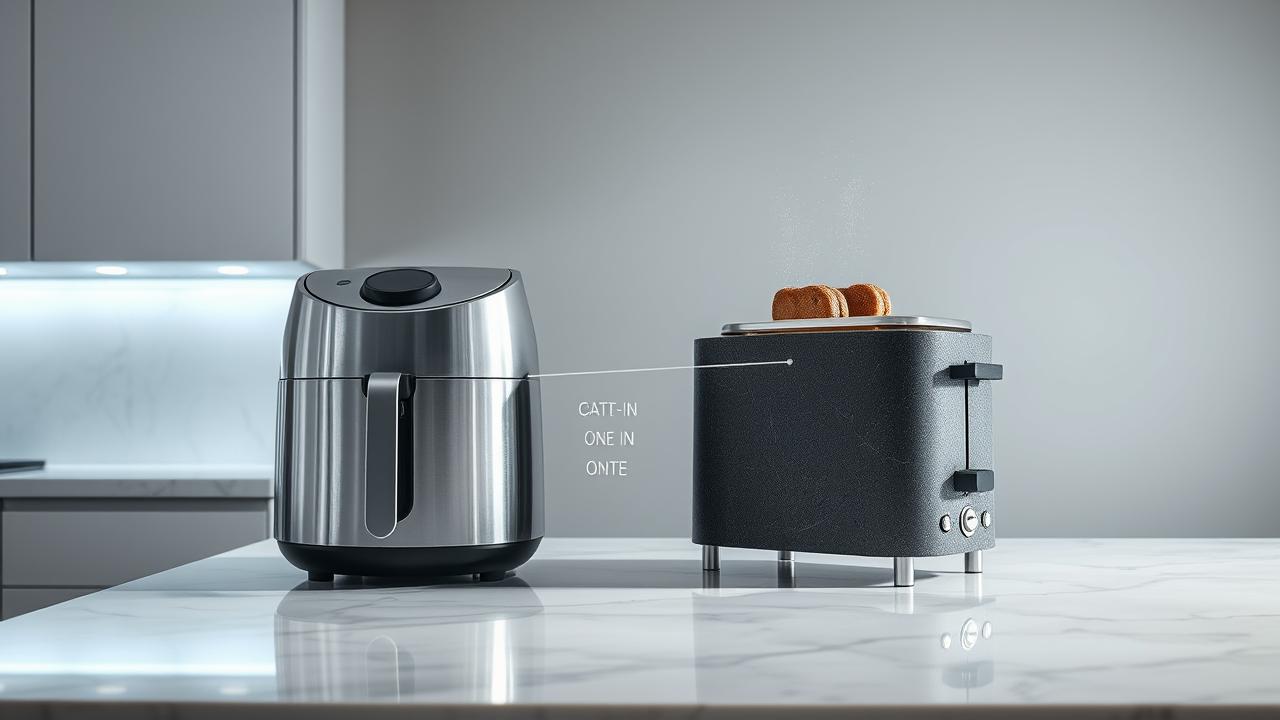
Your kitchen should be a workshop, not a museum of abandoned hobbies. That spiralizer. That bread maker. That novelty pineapple corer. Every time you bring in a new tool, ask yourself: what is it replacing? Not just physically, but functionally. If the new air fryer makes the old toaster oven obsolete, the toaster oven must face its judgment. This isn’t about deprivation; it’s about building a minimalist kitchen essentials list that actually works for you, not for some idealized version of a chef you’ll never be.
The Digital Sludge
Don’t think for a second the battlefield is only physical. Your digital life is just as cluttered, a festering swamp of old files, unread newsletters, and apps you opened once. Apply the rule here with absolute ruthlessness. New productivity app? One must be deleted. New digital newsletter subscription? One must be unsubscribed from. A simple digital declutter checklist can be your guide, forcing you to confront the digital hoarding that drains your focus and slows your devices to a crawl.
Seeing the Counter-Attack in Motion
Sometimes, reading about a strategy is one thing. Seeing it executed, seeing the small, deliberate decisions play out in a real space—that’s what makes it click. This is a look at how the one in, one out rule moves from an idea into a powerful, tangible habit that keeps the tide of clutter from ever reaching your door again.
Source: Dana K White on YouTube
The Fine Print of Freedom
A rule without wisdom is just a cage of a different design. Blind adherence is for fanatics. You are a strategist. There are, of course, exceptions.
The dust motes danced in the slivers of afternoon light slanting through the blinds of his study. The room smelled of old paper, leather, and polish. For Edwin, a retired archivist whose sharp mind belied his seventy years, his library wasn’t clutter; it was a living history. He’d just won a hard-fought auction for a first-edition copy of a favorite novel, its cover worn, its pages holding the ghost of a thousand readers. It arrived today. The rule was clear: one in, one out. But he wasn’t replacing a lesser item. This was about curation. He located his well-read paperback copy of the same book. It wasn’t worn out. But its purpose had been fulfilled. He would pass it on to a young neighbor who had shown an interest in the classics. This wasn’t loss. It was an upgrade. An evolution.
His approach highlights the nuance. The rule doesn’t apply to:
- Consumables: You don’t throw out a half-eaten jar of pickles because you bought a new one. Don’t be ridiculous.
- True Replacements: When your favorite boots finally die after a decade of loyal service, their replacement doesn’t require another sacrifice. You’re restoring a balance, not adding to an excess. It’s the philosophy behind curating a buy it for life list of quality goods.
- Project-Based Items: Buying supplies for a specific, finite project (like building a deck) doesn’t count. The materials will be consumed by the work.
And most critically: the rule is for maintenance, not for the initial, brutal excavation. If you’re buried under a decade of accumulation, one-in-one-out is like trying to bail out the Titanic with a teacup. For the big dig, you need heavy machinery like the 30 day minimalism game rules or the focused discipline of a low buy year rules to clear the land before you can start fencing it in.
Beyond Physical Things: A Law for Your Life
The true power of this principle is revealed when you realize it’s not about stuff. It’s a philosophy of exchange. It’s a template for bringing intention to every corner of your existence, the very essence of minimalist wealth growing more by owning less.
Apply it to your finances: for every new monthly subscription, you must cancel unused subscriptions of equal or greater cost. No more slow leakage from a dozen services you forgot you even had. Want to add a new ‘fun money’ budget category? Something else has to shrink. This isn’t limitation; it’s a forced allocation of your most precious resource: your money.
Apply it to your mind. Staring at a decision, paralyzed by doubt? Use Deepak Gupta’s “One Second Rule”: acknowledge the truth, however unpleasant, and move on. One second of acceptance in, a mountain of indecision out. Trying to execute a goal? Use the “3 E’s Rule”—Eliminate, Essential, Execute. One non-essential activity is eliminated, creating the space for one essential task to be executed. You are constantly trading up.
The Ledger of Your Liberation
What gets measured gets managed. Don’t let this be a vague idea floating in your head. Forge it into a tool. A simple three-column log, either in a notebook or a spreadsheet, is your weapon. It’s your declaration of sovereignty.
- Column 1: Purchase (In). What came in? When? How much did it cost?
- Column 2: Item Removed (Out). What was the sacrifice? Be specific. The red sweater. The old coffee maker.
- Column 3: Destination. This is the masterstroke. Where did it go? Donated? Trashed? Given to a friend? Or—and this is where it gets powerful—did you sell clutter for cash?
Tracking the destination connects your act of decluttering directly to your financial well-being or your community values. That forgotten jacket didn’t just disappear; it became twenty dollars in your high-yield savings account. That old bike wasn’t just removed; it’s now giving a neighborhood kid a taste of freedom. This isn’t just tidying up; it’s a visible, trackable path toward a richer life.
Your Arsenal for a Curated Life
While a simple notebook is a powerful minimalist tool in itself, technology can serve you, if you command it correctly. Seek out simple, focused apps. Look for clothing inventory trackers to give you a stark visual of what you own. Use a flexible spreadsheet program to build your own version of a minimalist budget template that incorporates your ‘one in, one out’ log. Find digital file organizers that can identify duplicate or ancient files, helping you clear out the digital sludge with brutal efficiency. The tool is less important than the intention: to see what you have, and to control what comes next.
Dispatches from the Front Lines
Others have walked this path. Their wisdom can sharpen your own resolve.
The 1% Rule by Tommy Baker: A gut-punch of a book that argues for radical consistency over grand, failed gestures. It’s the spirit of making one small, correct exchange every single day, relentlessly, until your entire world is transformed.
Rule #1 by Phil Town: While it’s an investing book, its core philosophy is pure ‘one in, one out.’ He preaches a ruthless strategy of focusing only on wonderful companies at attractive prices. It’s about saying ‘no’ to a thousand mediocre opportunities to say ‘yes’ to the one perfect shot. It’s the financial equivalent of curating a masterpiece collection.
Questions from the Trenches
What if I’m like Marlee and letting go feels emotionally impossible?
The struggle is real, and it’s not a sign of failure. It’s a sign of a human heart. For sentimental items, the rule needs a compassionate amendment. Try a “one in, one box out” approach. When a new sentimental item comes in (like a baby’s drawing), an older one goes into a designated “memory box.” When the box is full, you then face the task of curating that box only. This contains the emotional clutter and makes the process of letting go more manageable and less like a constant, painful amputation.
What is the most powerful part of the one in one out rule?
The most potent aspect is the mandatory pause it creates before the purchase. It violently interrupts the dopamine feedback loop of “see, want, buy.” It forces you to engage the logical, strategic part of your brain. You have to stop and evaluate not just the new item, but the full scope of your current inventory. This deliberate friction is the mechanism that breaks the cycle of mindless consumerism and begins the process of downsizing to save money not just in large moves, but in every small decision.
My partner is a collector… a nice word for a hoarder. How can I use this rule?
You can’t. Not on them. Trying to impose your rule on another person’s domain is a recipe for resentment and conflict. The only territory you can conquer is your own. Apply the rule with zealous consistency to your own belongings—your side of the closet, your office space, your tools. The silent, steady example of your own clarity and control is infinitely more powerful than any lecture. Often, seeing the peace and order in your space will inspire curiosity, and eventually, change. But you have to let it be their choice.
Continue Forging Your Freedom
- The Spruce: A Practical Guide to the Rule
- Miss Minimalist: An Early Take on the ‘Stopgap Measure’
- Video: Dana K. White on Keeping Clutter Under Control
- r/declutter: Real stories and support from people in the thick of it.
- r/simpleliving: A community focused on the ‘why’ behind owning less.
Seize the Power of the Pause
The objects in your home are not your master. The endless call to consume is not a command you have to obey. The next time you feel the pull to buy, to add, to acquire—stop. Feel the friction. Ask the hard question: What am I willing to sacrifice for this? The one in one out rule isn’t just about a tidy home. It’s about reclaiming your power, one deliberate exchange at a time. Start with one thing. Today. The clarity you’re craving is waiting on the other side of that single decision.